
When it comes to caring for your clothes, one question comes up again and again: Dry Cleaning vs Regular Laundry – which is better?
The answer isn’t as simple as choosing one over the other. Different fabrics, usage patterns, and lifestyles demand different cleaning methods. Understanding how dry cleaning services, wash & iron, and steam iron services work can help you make smarter decisions that keep your clothes looking new for longer.
In this guide, we’ll break down the differences in a simple, practical way—so you always know what’s right for your wardrobe.
Understanding the Basics of Regular Laundry
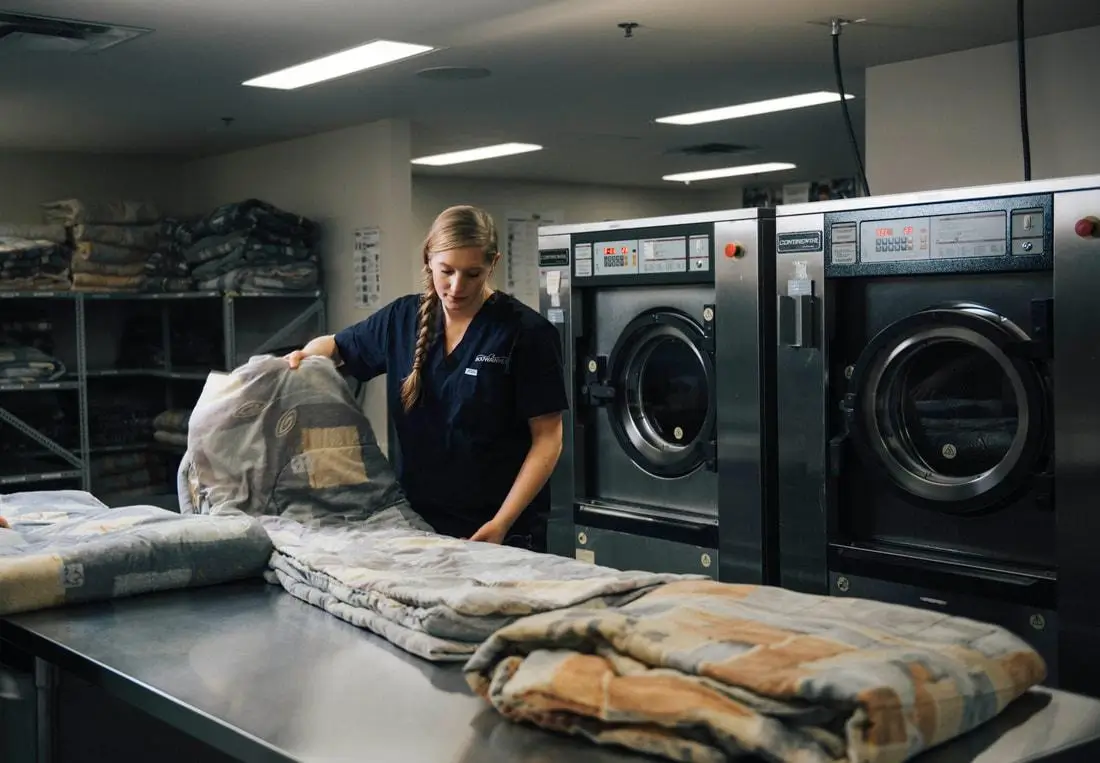
Regular laundry is the most common cleaning method used at home and by professional laundries. It involves washing clothes in water with detergents, followed by drying and ironing.
How Regular Laundry Works
- Clothes are washed using water and detergent
- Agitation helps remove dirt, sweat, and odors
- Garments are rinsed, spun, and dried
- Finished with wash & iron or steam iron services
Best Clothes for Regular Laundry
Regular laundry is ideal for:
- Everyday cotton clothes
- Casual wear like t-shirts, jeans, and shorts
- Bedsheets, towels, and undergarments
- Clothes designed for frequent washing
For daily wear, wash & iron services are cost-effective and efficient, especially when hygiene and freshness are the priority.
What Is Dry Cleaning and How Is It Different?
Dry cleaning is a professional cleaning process that does not use water. Instead, it uses specialized cleaning solvents that gently remove stains without damaging delicate fabrics.
How Dry Cleaning Services Work
- Garments are inspected for stains and fabric type
- Clothes are cleaned using solvent instead of water
- Low agitation protects fibers and structure
- Finished with professional pressing for a polished look
Despite the name, clothes aren’t completely “dry.” The term refers to the absence of water, which makes this method gentler on sensitive materials.
Best Clothes for Dry Cleaning
Dry cleaning services are ideal for:
- Silk, wool, velvet, and rayon
- Suits, blazers, coats, and formal wear
- Sarees, lehengas, and embellished garments
- Clothes labeled “Dry Clean Only”
If your outfit is expensive, delicate, or rarely worn, dry cleaning is usually the safer option.
Dry Cleaning vs Regular Laundry: Key Differences Explained
Understanding Dry Cleaning vs Regular Laundry becomes easier when you compare them side by side.
1. Cleaning Method
- Regular Laundry: Uses water and detergent
- Dry Cleaning: Uses solvent, no water
2. Fabric Safety
- Regular Laundry: Can shrink or fade delicate fabrics
- Dry Cleaning: Protects fabric texture, color, and shape
3. Stain Removal
- Regular Laundry: Best for sweat, dirt, and food stains
- Dry Cleaning: Effective for oil-based and tough stains
4. Durability of Clothes
- Regular Laundry: Frequent washing can weaken fibers
- Dry Cleaning: Extends life of premium garments
This comparison shows why choosing the right method matters as much as the cleaning itself.
Where Wash & Iron Fits In
Wash & iron services are a popular middle ground for people who want clean, crisp clothes without the hassle of doing laundry at home.
When to Choose Wash & Iron
- Daily office wear
- School uniforms
- Cotton shirts, trousers, and kurtas
- Clothes that don’t need special treatment
Wash & iron ensures clothes are thoroughly cleaned and neatly pressed, making them ready to wear without additional effort.
The Role of Steam Iron Services
Sometimes, clothes don’t need a full wash or dry cleaning. This is where steam iron services come in.
What Steam Iron Services Do Best
- Remove wrinkles and creases
- Refresh lightly worn clothes
- Improve garment finish and appearance
- Maintain shape of formal and delicate wear
Steam ironing is especially useful for suits, sarees, and dresses that are clean but need a professional finish.
Choosing the Right Method for Different Fabrics
Here’s a simple way to decide between Dry Cleaning vs Regular Laundry based on fabric type:
- Cotton & Linen: Regular laundry with wash & iron
- Silk & Wool: Dry cleaning services
- Denim: Regular laundry, inside-out washing
- Formal Suits: Dry cleaning + steam iron services
- Heavily Embellished Clothes: Dry cleaning only
Checking the care label is always recommended, but this guide helps when labels are missing or unclear.
Cost vs Care: What Should You Prioritize?
Regular laundry is generally more affordable, making it ideal for everyday clothes. Dry cleaning costs more but offers better protection for valuable garments.
A balanced wardrobe care routine often includes:
- Regular laundry for daily wear
- Dry cleaning services for premium outfits
- Steam iron services for quick refresh and finishing
This approach saves money while keeping all types of clothes in top condition.
Environmental Considerations
Modern dry cleaning services are increasingly using eco-friendly solvents and safer processes. At the same time, efficient regular laundry practices use less water and energy than home washing.
Choosing professional services can actually reduce overall fabric damage, water usage, and waste in the long run.
Common Myths About Dry Cleaning vs Regular Laundry
Myth 1: Dry cleaning damages clothes
Truth: When done professionally, it protects delicate fabrics better than water washing.
Myth 2: Regular laundry is always safer
Truth: Water and agitation can be harsh on certain materials.
Myth 3: Steam ironing replaces washing
Truth: Steam iron services refresh clothes but do not remove deep dirt or stains.
Conclusion:
Choosing between dry cleaning and regular laundry is all about understanding your clothes and giving them the care they truly need. Everyday garments benefit from regular laundry and wash & iron, while delicate, formal, and premium outfits stay safer with professional dry cleaning. Steam iron services add the perfect finishing touch when clothes just need a refresh. At Easy Spin, we simplify wardrobe care by offering all three solutions under one roof—so every fabric gets the right treatment. With the right cleaning choice, your clothes last longer, look better, and stay comfortable. Smart care today means a fresher, more confident wardrobe tomorrow.