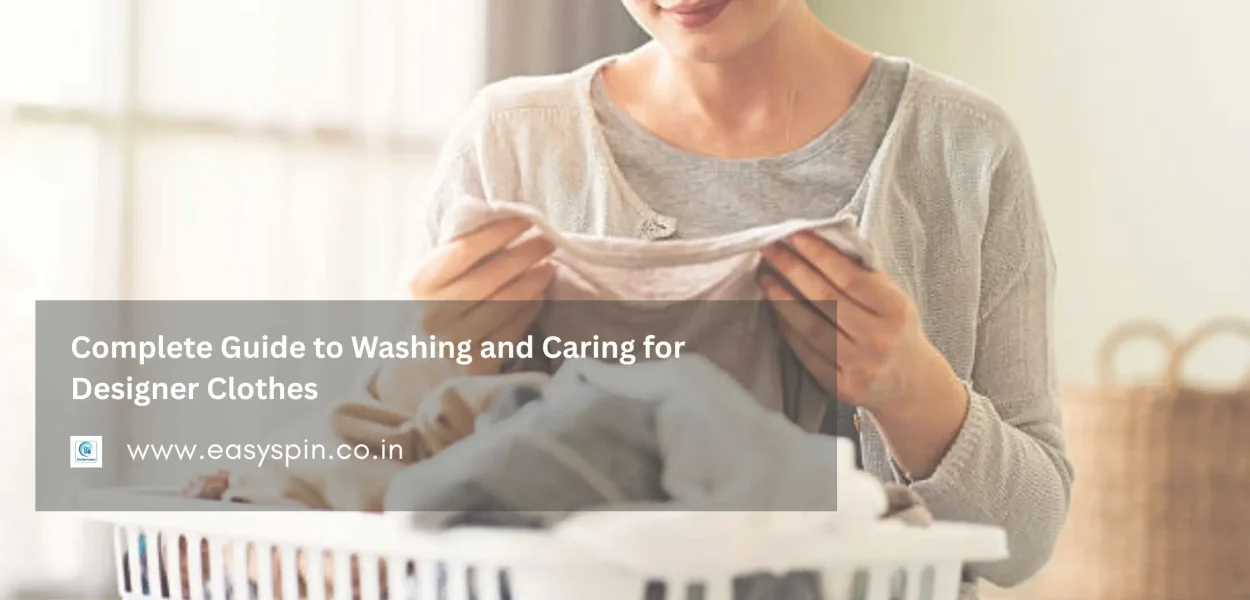
Designer clothes are more than just garments; they represent style, luxury, and personal expression. Whether it is a branded jacket, an elegant silk dress, or a premium suit, designer clothing requires proper maintenance to preserve its appearance and longevity. Many people invest a significant amount of money in high-end fashion but unknowingly damage these garments through improper washing methods.
Understanding the right techniques for washing and caring for designer clothes is essential if you want your outfits to maintain their shape, color, and fabric quality for years. Designer fabrics are often delicate, unique, and sensitive to heat, chemicals, and rough washing processes. Therefore, a thoughtful approach to cleaning and storage is necessary.
In this guide, we will explore the best methods, tips, and precautions for maintaining your premium wardrobe while ensuring your garments remain fresh, clean, and stylish.
Why Designer Clothes Require Special Care
Designer garments are usually crafted from premium materials such as silk, cashmere, wool, linen, or delicate blends. These fabrics are chosen for their texture, comfort, and luxurious appearance, but they also require careful handling.
Unlike everyday clothing, designer pieces often involve intricate stitching, embroidery, embellishments, and specialized fabric treatments. Improper washing methods can easily lead to color fading, fabric shrinkage, or damage to decorative elements.
This is why learning proper techniques for washing and caring for designer clothes is essential. Proper care ensures that expensive garments maintain their quality and appearance for a long time.
Always Read the Care Label
The first step before washing any designer garment is to carefully read the care label attached to the clothing. The label provides important instructions regarding washing temperature, drying methods, and ironing guidelines.
Some garments may require hand washing, while others must only be dry cleaned. Ignoring these instructions can permanently damage the fabric.
Care labels usually include symbols that indicate:
-
Recommended washing temperature
-
Whether the garment should be hand washed or machine washed
-
Dry cleaning instructions
-
Ironing temperature limits
Following these instructions is one of the most important aspects of Washing and Caring for Designer Clothes.
Hand Washing Delicate Designer Fabrics
Many designer garments made from silk, lace, chiffon, or delicate cotton blends are best cleaned through gentle hand washing. This method reduces stress on the fabric and protects delicate stitching.
To hand wash designer clothing properly:
-
Fill a basin with lukewarm water.
-
Add a mild detergent designed for delicate fabrics.
-
Gently swirl the garment in water without rubbing or twisting.
-
Allow the garment to soak for a few minutes.
-
Rinse with clean water until all detergent is removed.
After washing, avoid wringing the garment. Instead, gently press out excess water using a soft towel. This careful method supports effective Washing and Caring for Designer Clothes without damaging the fabric.
When to Use Dry Cleaning
Some designer garments should never be washed at home. Fabrics such as velvet, wool suits, structured jackets, or garments with heavy embroidery often require professional dry cleaning.
Dry cleaning uses specialized solvents rather than water, which helps remove stains while maintaining the structure of delicate fabrics.
Professional cleaning is especially recommended for:
-
Formal suits and blazers
-
Silk gowns and designer dresses
-
Heavily embroidered garments
-
Clothing with complex tailoring
Using professional services is a safe solution when it comes to cashing and caring for designer clothes, as experts understand the right cleaning techniques for luxury fabrics.
Avoid Overwashing Designer Clothing
One common mistake people make is washing designer clothes too frequently. Unlike everyday wear, premium garments do not always require washing after a single use.
Overwashing can weaken fibers, fade colors, and reduce the lifespan of the garment.
Instead, consider these alternatives:
-
Air the garment after wearing
-
Spot clean small stains
-
Use garment steamers to remove wrinkles and odors
Reducing unnecessary washing is a smart approach to Washing and Caring for Designer Clothes and helps preserve fabric quality.
Proper Drying Techniques
Drying methods are just as important as washing when it comes to maintaining designer garments.
High heat from dryers can shrink delicate fabrics or damage embellishments. Therefore, air drying is usually the safest option.
For best results:
-
Lay delicate garments flat on a clean towel
-
Avoid hanging heavy wet garments that may stretch
-
Keep clothes away from direct sunlight to prevent color fading
These careful drying methods ensure proper washing and caring for designer clothes while protecting fabric structure.
Safe Ironing and Steaming
Designer garments often require careful ironing to maintain a polished look. However, direct heat can damage sensitive fabrics if not handled properly.
Before ironing:
-
Always check the recommended temperature on the care label
-
Use a pressing cloth between the iron and fabric
-
Avoid ironing directly on embroidery or embellishments
Garment steamers are often a safer alternative because they remove wrinkles without applying direct pressure. Proper pressing techniques contribute greatly to washing and caring for designer clothes and help maintain the garment’s original appearance.
Storing Designer Clothes Correctly
Even if designer clothes are perfectly washed and cleaned, improper storage can still damage them.
To keep garments in excellent condition:
-
Use padded or wooden hangers for structured clothing
-
Store delicate garments in breathable garment bags
-
Keep clothes in cool, dry wardrobes
-
Avoid overcrowding in closets
Proper storage prevents wrinkles, fabric stretching, and dust accumulation. These habits are an important part of washing and caring for designer Clothes and help maintain the elegance of luxury clothing.
Dealing With Stains on Designer Fabrics
Accidental spills and stains can happen even with the most carefully worn garments. However, treating stains immediately can prevent permanent damage.
For minor stains:
-
Blot the stain gently using a clean cloth
-
Avoid rubbing the fabric aggressively
-
Use mild stain removers suitable for delicate fabrics
If the stain persists or the fabric is delicate, it is best to seek professional cleaning services. Prompt stain treatment is another key element of washing and caring for Designer Clothes.
Professional Fabric Care Services
While some designer garments can be cleaned at home, professional cleaning services offer specialized equipment and expertise for luxury fabrics.
Professional cleaners understand different fabric compositions and use safe cleaning methods that protect both the garment and its design.
For valuable clothing items, professional fabric care ensures long-term durability and proper Washing and caring for designer clothes.
Conclusion
Designer clothing represents elegance, quality, and personal style. Proper maintenance is essential to ensure that these garments retain their beauty and durability over time. From reading care labels and using gentle washing techniques to storing clothes properly and seeking professional cleaning services, every step plays an important role in maintaining luxury fabrics.
Understanding the principles of washing and caring for designer clothes allows you to protect your valuable wardrobe and extend the life of your garments. With the right care routine, designer outfits can remain stylish, fresh, and wearable for many years.
For those who prefer expert garment care, professional laundry services like Easy Spin provide reliable solutions for handling delicate fabrics and premium clothing with precision and care.