
If you have ever handed over a favourite silk kurta to a local laundry and got it back with a faded patch — or shrunk a woollen blazer in the washing machine at home — you already know why understanding laundry and dry cleaning services properly matters.
This guide covers everything practically: what actually happens when a garment goes through professional garment cleaning, which fabrics need dry cleaning versus water-based washing, how to read those care label symbols, how pricing works, and what separates a reliable clothes cleaning service from one that will ruin your clothes. Whether you are in Jaipur, Udaipur, Bangalore, or Kota, the same principles apply.
What Are Laundry and Dry Cleaning Services — And Why the Difference Matters
Most people use “laundry” and “dry cleaning” interchangeably. They are not the same, and sending the wrong garment through the wrong process is one of the most common ways clothes get damaged.
Laundry Services: Water-Based Cleaning
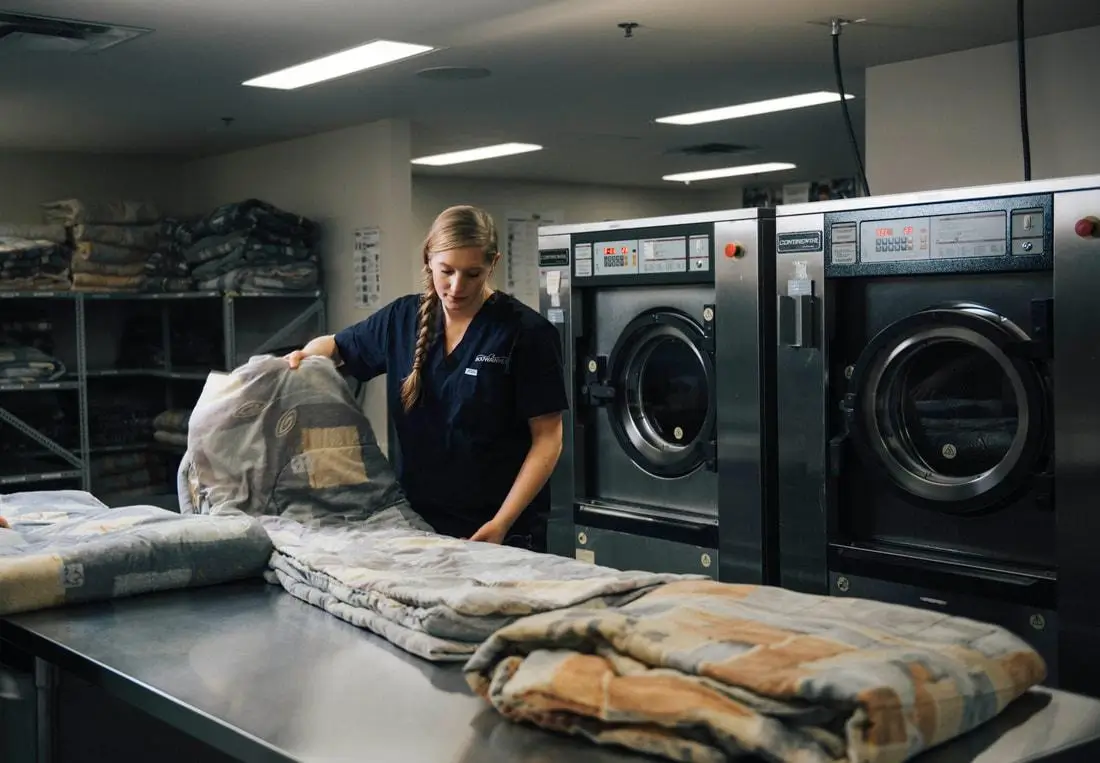
Standard laundry services use water, detergent, mechanical agitation, and heat to clean garments. The process typically involves:
- Pre-treatment — Stain identification and spot treatment before the main wash
- Wash cycle — Temperature and agitation setting matched to the fabric type
- Rinse and spin — Removal of detergent residue
- Drying — Air drying or tumble drying at a controlled temperature
- Pressing or folding — Depending on the service type chosen
Water-based washing works well for cotton, linen, polyester, most synthetic blends, denim, and casual everyday wear. The risk arises when water-sensitive fabrics — silk, wool, heavily embroidered fabric, viscose — go through a standard wash cycle. These fabrics can shrink, bleed colour, or lose their structure permanently.
Dry Cleaning Services: Solvent-Based Cleaning
Despite the name, dry cleaning is not actually dry — it uses a liquid chemical solvent instead of water. The most widely used solvent in professional dry cleaning is perchloroethylene (commonly called “perc”), though greener alternatives like liquid CO₂ and hydrocarbon solvents are increasingly available.
The dry cleaning process works like this:
- Inspection and tagging — Each garment is tagged and inspected for stains, damage, or special notes
- Pre-spotting — Stubborn stains are pre-treated with specialised solvents
- Machine cleaning — Garments go into a dry cleaning machine that tumbles them in solvent (not water)
- Solvent extraction and drying — The machine recovers almost all solvent; garments come out dry
- Post-spotting — Any remaining stains are treated individually
- Finishing — Pressing with steam or a tensioning form to restore the garment’s shape
The key advantage: solvent does not cause the fabric fibres to swell the way water does. This means silk retains its sheen, wool does not shrink, and structured garments like blazers and suits keep their shape.
How to Read Clothing Care Labels (And Why Most People Ignore Them)
Care labels are the manufacturer’s fabric care instructions, legally required on garments sold in India. Yet most people either ignore them or cannot interpret the symbols. Here is a practical reference:
| Symbol | What it Means |
|---|---|
| Tub with water | Machine washable |
| Tub with hand | Hand wash only |
| Circle | Dry clean |
| Circle with X | Do NOT dry clean |
| Iron with dots | Iron at low (1 dot), medium (2 dots), or high (3 dots) heat |
| Triangle | Bleaching allowed; filled triangle = no bleach |
| Square with circle | Tumble dry safe |
| Square with circle + X | Do not tumble dry |
The most important label to look for: A circle inside a square, or just a circle alone — that is your indicator that the garment needs professional dry cleaning. If you see a circle with an X through it, dry cleaning will damage the fabric (usually applies to some coated or rubber-backed items).
Practical tip: Before you add any new piece of clothing to your laundry bag, spend 10 seconds reading the label. Grouping your laundry correctly — cottons together, delicates separate, dry-clean-only items set aside — takes very little effort and saves a lot of expensive mistakes.
Fabric-by-Fabric Guide: What Needs Dry Cleaning and What Doesn’t
This is one of the most practically useful things a laundry and dry cleaning services guide can give you — and most articles online skip it entirely.
Fabrics That Must Be Dry Cleaned
Wool: Wool fibres have microscopic scales. Hot water causes these scales to lock together and the fabric shrinks permanently — sometimes dramatically. Always dry clean wool suits, shawls, and winter wear unless the label specifically says “machine washable wool.”
Silk: Silk is a protein fibre, similar to hair. Water weakens it, causes colour bleeding, and creates water marks. Even “hand wash” silk requires careful cold water and neutral soap. For expensive silk sarees, lehengas, or dress shirts, professional garment care is the safe choice.
Cashmere: Similar to wool — the fibres are even finer and more vulnerable. Cashmere sweaters and shawls should always be dry cleaned.
Heavily Structured Garments (Blazers, Suits, Sherwanis): Even if the fabric itself could theoretically be washed, the internal interfacing and padding of a tailored garment will deform in water. The shoulder pads, chest canvas, and lapel roll are all constructed to hold their shape in dry conditions — water destroys that structure.
Embroidered and Embellished Clothing: Lehengas with heavy zari work, bridal sarees, sequined fabric — these cannot go through water washing. The metallic threads oxidise, the adhesive holding stones loosens, and embroidery can unravel.
Fabrics That Do Well with Regular Laundry Services
Cotton and Cotton Blends: Durable, handles water and detergent well. Wash at 30–40°C for coloured cotton; whites can handle 60°C.
Linen: Can be machine washed on a gentle cycle in cold water. Avoid high heat drying — linen shrinks.
Polyester and Synthetics: Machine washable and dries quickly. Avoid high heat, which can cause pilling and distortion.
Denim: Machine wash cold, inside out, to preserve colour. Wash less frequently — over-washing denim causes premature fading.
Rayon/Viscose: Tricky. Technically not dry-clean-only, but rayon is very weak when wet and prone to distortion. If the garment has structure or a fitted cut, a professional clothing care service is safer. Plain rayon kurtas can be hand-washed gently in cold water.
Types of Laundry and Dry Cleaning Services — Explained Properly
Wash and Fold
Your everyday laundry — shirts, t-shirts, pyjamas, kurtas, bed sheets, towels. Garments are washed, dried, and folded. This service is priced per kilogram at most providers. Typical range in Indian cities: ₹40–₹80 per kg depending on the city and provider.
Best for: Daily wear, casual clothing, household linen, children’s clothes.
Wash and Iron
Same as wash and fold, but each garment is steam pressed and returned on hangers or neatly stacked. Priced per piece or per kg with an added pressing charge. This is the right service for formal shirts, office trousers, and anything that needs to look presentable immediately.
Steam Ironing / Steam Press
For garments that just need pressing without a full wash — clothes that are clean but crumpled after travel or storage. A professional steam press uses heat and moisture together, which relaxes fabric fibres more effectively than a home iron. Particularly good for linen, cotton shirts, and formal wear.
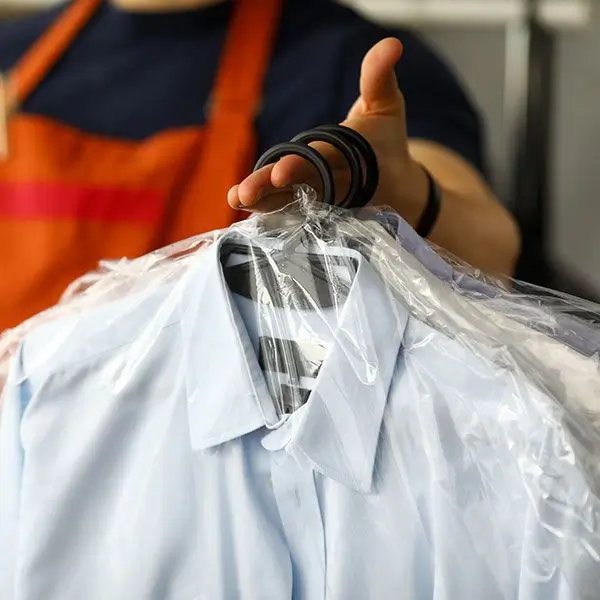
Dry Cleaning
For all the fabric types listed above that cannot be safely water-washed. Also the correct choice for anything with the dry clean symbol on its label. Priced per piece, not per kg — a men’s suit typically costs ₹200–₹400 to dry clean; a silk saree ₹150–₹300; a lehenga ₹350–₹600 depending on complexity.
Stain Removal Treatment
Some stains need targeted treatment that standard washing cannot address — oil-based stains, ink, wine, rust, or old set-in stains. Professional garment cleaning services have access to stain-specific solvents and enzymes. Note: not all stains can be removed, especially if they have been heat-set or are very old. The earlier a stain is treated, the better the outcome.
Curtain, Sofa Cover, and Household Fabric Cleaning
Heavy household items — curtains, cushion covers, bed comforters, sofa covers — accumulate dust, allergens, and odours. Professional cleaning handles these far more effectively than home washing, especially for larger items that will not fit in a domestic machine.
How Pricing Actually Works for Laundry and Dry Cleaning Services
One of the most common frustrations people have is receiving a bill that is higher than expected. Understanding how pricing is structured helps you plan better.
Laundry (Wash & Fold / Wash & Iron): Usually priced per kg or per piece. Per-kg pricing benefits customers with a lot of lightweight items (t-shirts, underwear, towels). Per-piece pricing is better for heavier individual garments.
Dry Cleaning: Always priced per piece because every garment requires individual attention. A simple cotton dress costs less than a structured jacket. Always ask for a per-piece price list before handing over garments.
Express / Same-Day Service: Typically carries a surcharge of 30–50% over standard pricing. Worth it for urgent needs but not a daily use option.
Pickup and Delivery: Many app-based laundry platforms include free pickup and delivery within a minimum order threshold. Always check the minimum order requirement to avoid delivery charges.
Hidden Charges to Watch For: Some providers charge extra for stain treatment, for pressing, or for garments over a certain weight. Ask upfront — a transparent service will give you a clear price list without ambiguity.
Choosing a Reliable Laundry and Dry Cleaning Service: What Actually Matters
There is a lot of generic advice online about choosing a laundry service — “check reviews,” “look for good quality.” Here is what actually separates a reliable provider from one that will cause problems:
They Ask About Your Garments Before Accepting
A professional clothes cleaning service does a brief inspection at pickup. They will flag items that have obvious stains, delicate fabrics that need special handling, or garments that appear to be pre-damaged. If a service just picks up everything without any conversation, that is a warning sign.
They Have a Clear Damage and Loss Policy
Ask what happens if a garment is damaged during cleaning. A credible service has a written policy and will compensate or offer re-cleaning. Services that are vague or dismissive about this question are the ones most likely to cause problems.
Turnaround Time Is Realistic
Standard turnaround for laundry is 24–48 hours. Dry cleaning typically takes 48–72 hours. Anything significantly faster may mean corners are being cut — proper dry cleaning simply cannot be rushed without compromising quality.
They Use the Right Process for the Right Fabric
Ask specifically: “Do you separate dry-clean-only items from regular laundry?” If the answer is uncertain, your silk blouse could end up in a washing machine with cotton shirts.
Transparent Per-Piece or Per-Kg Pricing
You should be able to see a price list before handing over your clothes. If pricing is only revealed at delivery, switch providers.
Practical Garment Care Between Professional Cleaning Visits
Professional laundry and dry cleaning services work best when you take basic care of garments between washes. These are habits that significantly extend the life of your clothing:
Air garments after wearing. Before returning clothes to the wardrobe, hang them for 30–60 minutes to allow body moisture and odours to dissipate. This reduces how frequently items need washing.
Treat stains immediately. A fresh stain is dramatically easier to remove than a set one. Blot (do not rub) with cold water and a neutral soap for most stains. Hot water sets protein-based stains (blood, egg, dairy) — always use cold first.
Use proper storage for delicate items. Silk and woollen garments stored in plastic bags trap moisture and cause mildew. Use breathable cotton garment bags. Add cedar blocks rather than chemical mothballs, which leave a persistent smell and can affect fabric.
Do not wash dry-clean-only items at home “just this once.” This is the most common source of irreversible garment damage. The risk is not worth it.
Rotate formal wear. Wearing the same suit or formal shirt repeatedly without adequate rest between wears accelerates fabric wear. Most people need fewer dry cleaning visits if they rotate their formal wardrobe properly.
Conclusion
Understanding laundry and dry cleaning services properly — not just “what is dry cleaning” at a surface level, but which fabrics need it, how the process works, how pricing is structured, and what to look for in a reliable provider — makes a real difference to how long your clothes last and how much you spend on them over time.
The two most important things to take away from this guide: read care labels before washing anything, and do not send water-sensitive fabrics through a regular laundry cycle. Beyond that, finding a transparent, professional garment care service that asks the right questions and communicates clearly about pricing and damage policies is all you need.
If you are looking for reliable laundry and dry cleaning services with doorstep pickup and delivery across India, Easy Spin is worth exploring — schedule your first pickup through the app.
Frequently Asked Questions About Laundry and Dry Cleaning Services
Q1: How do I know if a garment needs dry cleaning or regular laundry? Check the care label first. A circle symbol means dry clean. If there is no care label, use the fabric as a guide: silk, wool, cashmere, heavily embroidered pieces, and tailored structured garments (suits, blazers, sherwanis) should be dry cleaned. When in doubt, dry cleaning is the safer option — it is far less likely to damage a garment than an incorrect machine wash.
Q2: Can dry cleaning remove all stains? Not always. Dry cleaning is effective at removing oil-based stains, general soiling, and many food stains. However, old set-in stains, dye-transfer stains, and stains that have been heat-set (ironed over before removing) may be permanent. The earlier a stained garment reaches a professional clothes cleaning service, the better the chance of full removal.
Q3: Is dry cleaning harmful to fabric over time? Occasional dry cleaning is not harmful to most fabrics — in fact, it is far gentler than water washing for the fabrics it is designed for. Frequent dry cleaning of the same garment can gradually affect certain finishes or very delicate trims, but this is rarely a concern for normal use. The risk of damage from incorrect home washing is far higher than from appropriate professional dry cleaning.
Q4: How often should formal wear and suits be dry cleaned? Suits and blazers should be dry cleaned no more than two to three times per year. Over-cleaning strips the natural oils from the fabric, reducing its lifespan. Between dry cleaning visits, brush your suit after wearing, air it out, and use a clothes brush to remove surface dust. Steam freshening (without a full dry clean cycle) can be done more frequently.
Q5: What is the difference between dry cleaning and steam cleaning? Dry cleaning uses chemical solvents to remove dirt and oils from fabric. Steam cleaning (or steam pressing) uses pressurised steam to relax fibres, remove wrinkles, and freshen a garment without a full cleaning cycle. Steam cleaning is not a substitute for dry cleaning when a garment is soiled — it is for maintenance and pressing between proper cleans.
Q6: Why do laundry and dry cleaning services charge per piece instead of per kg for dry cleaning? Because every dry-cleaned garment requires individual handling. A simple cotton dress needs different pre-spotting, machine settings, and finishing than a beaded lehenga or a lined wool coat. Per-kg pricing works for bulk laundry where garments are processed together, but dry cleaning cannot be standardised that way.
Q7: Can I get same-day laundry and dry cleaning services? Yes — many on-demand laundry providers offer express services with same-day or next-day turnaround for standard laundry. Dry cleaning typically cannot be done in less than 24 hours without quality compromise, so express dry cleaning usually means 24-hour turnaround rather than same-day. Express services generally carry an additional charge.
Q8: Is it safe to use app-based laundry pickup services for expensive garments? Yes, provided the service has clear damage and loss policies and handles delicate items separately. When booking through Easy Spin, you can specify delicate or dry-clean-only items at the time of booking so they are routed to the right specialist. Always mention specific fabric care requirements at pickup.