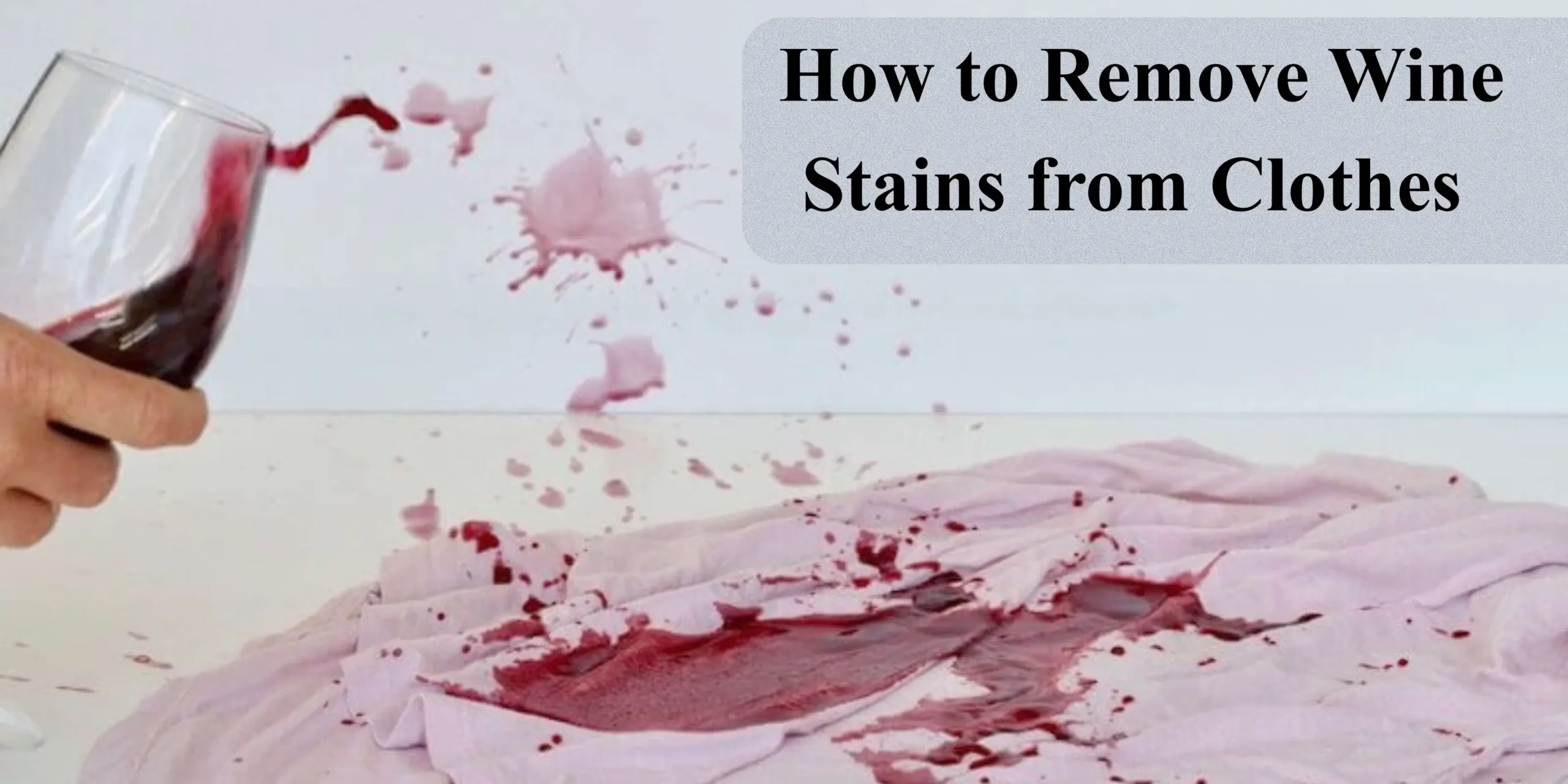
Knowing how to remove wine stains quickly can save your favorite clothes from getting ruined. Whether it’s a spill at a dinner party, during a date, or at a celebration, wine stains can be hard to deal with. The color in wine sticks to fabric very quickly, which makes wine stain removal feel tough.
But don’t worry, with the right steps, you can remove wine stains without harming your clothes. Acting fast is very important, especially for fresh wine stains, because they are easier to clean than older ones. This guide will give you simple tips and easy methods for proper stain removal.
By the end of this post, you will understand what to do right after a spill and how to clean your clothes using the right wine stain removal from clothes methods.
Why Wine Stains Are Challenging
Wine stains are difficult because of their chemical makeup. Red wine contains tannins and anthocyanins—natural pigments that bind tightly to fabric fibers. White wine, though lighter, can oxidize and leave yellowish marks over time. Rosé sits somewhere in between, combining both challenges.
This is why proper stain removal techniques matter. Without the right method, stains can set permanently, especially if heat is applied too early. Many people attempt basic washing, but that often spreads the stain instead of removing it.
Another key factor is timing. Fresh wine stains respond much better to treatment because the pigments haven’t fully bonded with the fabric. In contrast, old wine stains require deeper stain treatment and multiple attempts.
Understanding this science is the first step toward effective fabric stain removal.
How to Remove Red Wine Stains from Clothes: Step-by-Step
Red wine stains are the most notorious, but they are also manageable with the right process. If you’re wondering how to remove red wine stains, speed and technique are everything.
Immediate Action (First 5–10 Minutes)
For fresh wine stains, immediate action prevents permanent damage:
- Blot the stain gently with a clean cloth (never rub)
- Apply cold water to dilute the pigment
- Absorb excess liquid using paper towels or cloth
The fastest way to remove wine stains fast is to stop the stain from setting immediately.
Method 1: Cold Water + Detergent
- Rinse the stained area with cold water from the back of the fabric
- Apply liquid detergent directly to the stain
- Let it sit for 5–10 minutes
- Gently rub and rinse again
- Wash normally (cold cycle)
This is one of the simplest clothes stain removal methods and works well for everyday fabrics.
Method 2: Salt + Club Soda Technique
Another effective wine stain solution:
- Cover the stain with salt immediately
- Let it absorb the wine for a few minutes
- Pour club soda over the area
- Blot and repeat if necessary
Salt pulls the pigment out, while carbonation helps lift the stain.
Method 3: Hydrogen Peroxide + Dish Soap
For stubborn stains:
- Mix equal parts hydrogen peroxide and dish soap
- Apply to the stain
- Let sit for 10–15 minutes
- Rinse with cold water
This method provides effective stain removal but should be tested on colored fabrics first.
Important Tips
- Always use cold water first
- Avoid heat until the stain is gone
- Repeat stain treatment if needed
- Air-dry before checking results
With these steps, you’ll master how to remove wine stains caused by red wine.
How to Remove White Wine Stains from Clothes (The Surprising Challenge)
While less visible initially, white wine stain removal requires equal attention. Many assume white wine won’t stain, but it can oxidize and leave dull yellow marks over time.
Immediate Steps for Fresh Stains
- Blot excess liquid quickly
- Rinse with cold water
- Apply mild detergent
Handling fresh wine stains early prevents oxidation.
Enzymatic Cleaner Approach
For deeper wine stain removal:
- Use products like OxiClean or enzyme-based cleaners
- Let them break down organic compounds
- Wash with cold water
These cleaners are excellent for laundry stain removal and provide long-lasting results.
Preventing Oxidation
White wine stains may darken later. To avoid this:
- Treat immediately
- Avoid heat drying
- Re-check the stain before ironing
How to remove white wine stains effectively depends on early intervention and proper cleaning.
Remove Wine Stains of Rose: Combining Red and White Techniques
Rosé stains require a hybrid approach. Since rosé contains both pigment and acidity, you need a balanced wine stain removal strategy.
Recommended Method
- Start with cold water rinse
- Apply mild detergent
- Use a light hydrogen peroxide mix if needed
- Rinse and repeat
This combination ensures proper clothes stain removal without damaging fabric.
Common Mistakes
- Using strong bleach immediately
- Ignoring faint stains
- Over-scrubbing delicate fabrics
A careful, balanced stain treatment is key for rosé stains.
Fabric Stain Removal: How to Remove Wine Stains from Different Materials
For each fabric type, wine stain removal requires a tailored approach, as different materials react differently to moisture, cleaning agents, and friction. Using the wrong method can damage the fabric or make the stain more difficult to remove. Understanding how each material behaves ensures safer and more effective results.
Cotton and Linen
Cotton and linen are among the most durable and forgiving fabrics, making them easier to treat during cleaning. These materials can handle regular washing and mild cleaning agents without much risk of damage.
- Use detergent and cold water to flush out the stain
- Apply stain remover if needed for deeper marks
- Repeat washing if the stain persists
They respond well to standard fabric stain removal methods, and with timely treatment, stains can usually be removed completely without leaving any residue.
Delicate Fabrics (Silk, Wool)
Delicate fabrics require extra care because their fibers are more sensitive to harsh chemicals and aggressive handling. Improper cleaning can lead to discoloration, shrinkage, or permanent damage.
- Avoid harsh chemicals or strong stain removers
- Use mild detergent or opt for professional cleaning
- Blot gently instead of rubbing to prevent fiber damage
Gentle stain removal is essential here, and patience is key when dealing with these materials.
Synthetic Fabrics
Synthetic fabrics such as polyester and blends are generally more resistant to staining but can trap residues if not treated properly. These materials require a balanced approach to cleaning.
- Use enzyme cleaners to break down stain particles
- Avoid high heat, as it can lock the stain into the fibers
- Wash thoroughly to prevent buildup
These fabrics handle laundry stain removal well but may retain stains if treatment is delayed or incomplete.
Upholstery and Carpets
Soft surfaces like upholstery and carpets require a slightly different approach since they cannot be washed like clothing. Immediate action is crucial to prevent deep absorption.
To remove wine stains from furniture:
- Blot immediately to absorb excess liquid
- Use baking soda or a vinegar solution to lift the stain
- Vacuum after drying to restore texture
Each surface requires a specific wine stain solution, and careful handling ensures the stain is removed without damaging the material.
Common Mistakes to Avoid
Most people fail at wine stain removal because they rely on quick fixes without understanding how stains actually behave on fabric. Small mistakes during the cleaning process can make the stain worse, turning a simple spill into a permanent mark. Knowing what not to do is just as important as knowing the right method.
One of the biggest issues is acting in panic and using the wrong technique immediately. For example, applying heat or scrubbing aggressively may seem helpful, but it often pushes the stain deeper into the fibers instead of lifting it out.
Common Errors That Worsen Stains
- Using hot water immediately, which can set the stain and damage fabric fibers
- Rubbing instead of blotting, causing the stain to spread further
- Over-drying clothes before stain removal is complete, making the stain harder to treat
- Mixing incompatible cleaning agents, which can lead to chemical reactions or fabric damage
- Ignoring fabric care labels, resulting in improper treatment methods
- Delaying action, turning fresh stains into old wine stains that require more effort
Another important factor is patience. Effective stain removal often requires repeated treatment and proper drying checks before declaring the garment clean. Rushing the process or skipping steps can undo your efforts.
By avoiding these common mistakes, you significantly improve your chances of successful wine stain removal and protect your clothes from long-term damage.
Wine Stain Treatment: Natural vs. Commercial Solutions
Both natural and chemical approaches to wine stain removal work, but the right choice depends on the severity of the stain, the fabric type, and how quickly you act. Understanding the differences between these options can help you choose the most effective solution for long-term results.
Natural Household Remedies
Common household items like vinegar, baking soda, salt, and dish soap are widely used for quick stain removal. Vinegar helps break down pigments, while baking soda absorbs moisture and lifts stains from the fabric. Salt is particularly effective for fresh spills, as it draws out liquid before it sets. Dish soap, when combined with water or vinegar, works well as a mild stain treatment for everyday fabrics.
These methods are affordable, easily available, and safe for most clothing types. However, they may require repeated applications for deeper stains and may not always provide complete wine stain removal on their own.
Commercial Cleaning Products
Chemical cleaners such as OxiClean, Shout, and Fels-Naptha are designed for more powerful stain removal. These products contain enzymes and oxygen-based agents that break down stubborn wine compounds more efficiently. They are especially useful for set-in stains or situations where natural remedies fall short.
When dealing with delicate fabrics or older stains, commercial solutions offer more reliable stain treatment results. However, it’s important to check fabric labels to ensure compatibility and avoid damage.
Cost and Effectiveness Comparison
Natural remedies are cost-effective and ideal for quick fixes, while commercial products provide faster and more consistent results for tough stains. In many cases, combining both approaches—starting with a natural method and following up with a commercial cleaner—can deliver the best outcome.
Ultimately, choosing the right wine stain removal approach depends on balancing effectiveness, fabric safety, and convenience.
Prevention Tips
While removal methods work well, preventing wine stains from clothes is easier. Taking a few simple precautions can save you time, effort, and the stress of dealing with stubborn stains later. Prevention is especially important during social gatherings, dinners, or celebrations where spills are more likely to happen.
Practical Tips
- Wear darker fabrics during events, as they are less likely to show visible marks if a spill occurs
- Use napkins strategically by placing them on your lap and keeping them handy while drinking
- Keep a quick-response kit (salt, wipes) nearby so you can act immediately if an accident happens
In addition to these steps, being mindful while handling your glass and avoiding overfilling can also reduce the chances of spills. Small habits like holding your glass steadily or placing it on stable surfaces can make a big difference in preventing accidents.
Fabric Protection
- Apply stain-resistant sprays to create a protective barrier on clothing
- Treat fabrics beforehand to improve their resistance to liquid absorption
These preventive measures are particularly useful for delicate or expensive garments that require extra care. Investing a little time in preparation can help maintain the quality and appearance of your clothes for longer.
Prevention reduces the need for wine stain removal from clothes.
When to Seek Professional Help
Sometimes, home methods aren’t enough. Persistent stains, delicate fabrics, or valuable garments may require expert care, especially when regular attempts at wine stain removal fail to deliver results. In many cases, repeated washing or incorrect techniques can actually set the stain deeper into the fabric, making professional intervention the only reliable option. This is particularly true for garments made from silk, wool, or designer materials that need specialized handling.
Services like Easy Spin offer expert wine stain removal for delicate fabrics and stubborn old wine stains that resist home treatment. Their trained professionals understand fabric behavior and apply targeted solutions that go beyond basic cleaning methods. They also ensure that the integrity, color, and texture of the garment remain intact during the process.
Professional cleaners use advanced techniques that go beyond standard stain removal methods, making them a dependable choice when DIY solutions fall short.
Conclusion with Key Takeaways
Now that you know how to remove stains from clothes, you can handle spills with confidence. Whether dealing with red, white, or rosé, the key lies in quick action and the right technique.
From simple cold-water rinses to advanced stain treatment methods, every approach plays a role in successful wine stain removal. Remember: speed matters, fabric type matters, and method selection matters.
Most importantly, don’t panic. With the right steps, even stubborn stains can be reversed. Save this guide, apply these techniques, and you’ll always be prepared to remove wine stains fast and effectively.
People Also Asks
1. What should I do immediately after spilling wine on clothes?
Act quickly. First, blot the stain gently with a clean cloth to absorb as much liquid as possible—do not rub. Then rinse the area with cold water from the back of the fabric. This prevents the stain from settling deep into the fibers and makes it much easier to remove later.
2. Can old wine stains still be removed from clothes?
Yes, old wine stains can still be treated, but they require more effort. You may need to soak the fabric in cold water, apply a strong stain remover like an oxygen-based cleaner, and repeat the process multiple times. Patience and proper treatment are key for older stains.
3. Why should I avoid using hot water on wine stains?
Hot water can actually set the stain permanently by bonding the wine pigments to the fabric fibers. Always start with cold water for stain removal. Heat should only be used after you are sure the stain is completely gone.
4. Which household items work best for removing wine stains?
Common household items like salt, baking soda, vinegar, and dish soap can be very effective. Salt helps absorb fresh spills, while vinegar and baking soda break down the stain. These are simple and quick solutions you can use immediately.
5. How do I know if the stain is completely removed before drying?
After washing, check the stained area in natural light. If you still see any mark, do not dry the garment, as heat can lock the stain. Repeat the cleaning process until the stain is fully gone before drying.
6. When should I consider professional cleaning for wine stains?
If the stain is on delicate fabrics like silk or wool, or if it doesn’t go away after multiple attempts, it’s best to seek professional help. Experts use advanced methods that are safer for fabrics and more effective for tough stains.