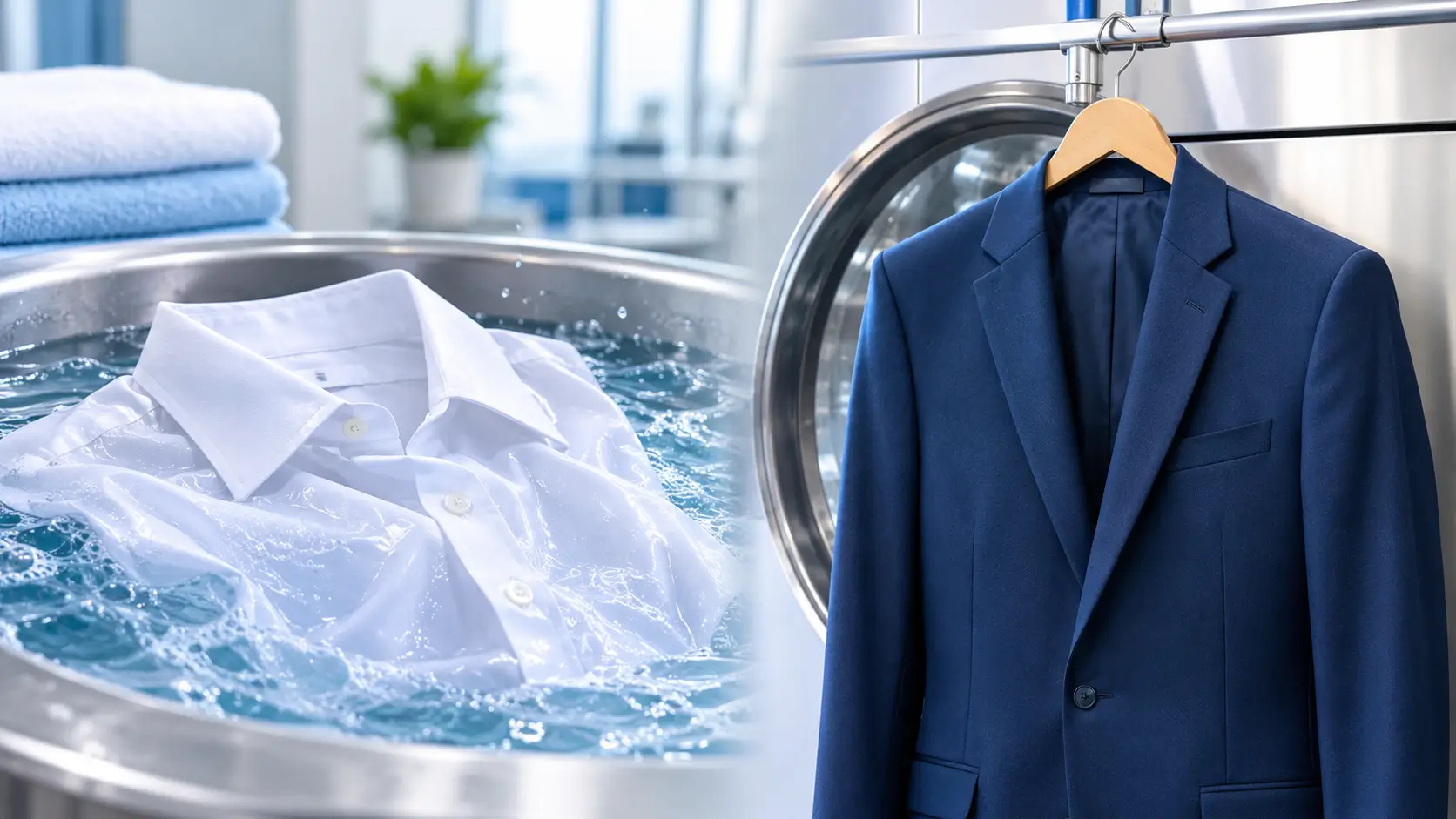

You hand over a suit, silk saree or delicate garment to a dry cleaner and notice a strong chemical smell when it comes back. It may make you wonder: Is dry cleaning harmful to your health?
The answer depends on the cleaning solvent used and the level of exposure. Traditional dry cleaning often uses a chemical called perchloroethylene (PERC), which has raised health and environmental concerns. However, the level of exposure for customers is generally different from that experienced by dry cleaning workers.
In this guide, we explain what dry cleaning chemicals are, what research says about PERC, potential health risks, and practical ways to reduce exposure.
Is Dry Cleaning Harmful?
Dry cleaning is not automatically harmful, but the solvent used in the process matters. PERC (perchloroethylene), a traditional dry cleaning solvent, is classified as probably carcinogenic to humans by the International Agency for Research on Cancer (IARC).
Workers who regularly handle dry cleaning chemicals may face higher exposure than customers. For customers, freshly cleaned garments may release small amounts of chemical residue, but the health effects of low-level exposure are not fully understood.
- Dry cleaning risks depend on the solvent and exposure level.
- PERC is associated with health concerns, particularly with prolonged exposure.
- Chemical residue may remain on freshly cleaned garments.
- Airing clothes and choosing alternative cleaning methods where suitable can help reduce exposure.
What Chemicals Are Used in Dry Cleaning?
Dry cleaning uses liquids other than water to remove dirt, grease and stains from fabrics. Although it is called dry cleaning, the process is not completely dry. Clothes are cleaned using a liquid solvent.
Some commonly used dry cleaning solvents include:
- PERC (Perchloroethylene): A traditional solvent that effectively removes oil, grease and stains.
- Hydrocarbon solvents: Petroleum-based solvents used as alternatives to PERC.
- Silicone-based solvents: Used in some professional garment-cleaning processes.
- Liquid carbon dioxide (CO2): A specialized cleaning method that uses pressurized carbon dioxide.
- Professional wet cleaning: A controlled water-based process using specialized machines and detergents.
The solvent used may vary depending on the dry cleaner, equipment and garment requirements.
What Is PERC (Perchloroethylene)?
PERC, short for perchloroethylene, is also known as tetrachloroethylene or PCE. It is a colorless liquid with a sweet, ether-like smell that evaporates relatively easily.
PERC has been widely used in dry cleaning because it dissolves oil, grease and other stains without relying on water. It is also used in industrial applications, including metal degreasing.
Although it is effective for cleaning clothes, PERC has raised concerns regarding human health and environmental contamination, particularly when exposure occurs over long periods.
Is PERC Harmful to Human Health?
Several health and scientific organizations have evaluated perchloroethylene and its potential health effects.
- IARC: Classifies PERC as Group 2A, probably carcinogenic to humans.
- National Toxicology Program (NTP): Lists perchloroethylene as reasonably anticipated to be a human carcinogen.
- US EPA: Has identified health risks associated with PERC exposure and established regulatory measures concerning its use.
Exposure to high levels of PERC may cause dizziness and other nervous system effects. Research has also identified liver and kidney effects in animal studies.
However, the potential health effects depend on exposure levels, duration and individual circumstances. Breathing PERC in a workplace for several hours daily is different from occasionally collecting dry-cleaned clothes.
Is Dry Cleaning Harmful to Customers?
Customers may experience lower levels of exposure than workers, but freshly dry-cleaned garments can release small amounts of solvent into the air.
An Indian study by Toxics Link tested 20 garments cleaned using PERC and found residue in 15 of them. The detected residue ranged from 1.3 to 101 mg/kg.
The findings indicate that PERC can remain on clothes after cleaning. However, the study does not establish that wearing those garments causes health problems.
If your clothes have a strong chemical smell after dry cleaning, it is sensible to remove the plastic cover, air the garments in a ventilated space and avoid storing them immediately in a closed wardrobe.
Who Should Take Extra Care?
- Dry cleaning workers: Regular workplace exposure may be higher, particularly when handling solvents or equipment.
- People living near dry cleaning shops: They may be exposed if solvents are improperly handled or released.
- Pregnant people: Animal research suggests possible reproductive or developmental effects, although the evidence in humans is unclear.
- Children and chemically sensitive individuals: Reducing unnecessary exposure may be a sensible precaution.
If you have specific health concerns, particularly during pregnancy, speak with a healthcare professional.
Is Dry Cleaning Harmful to the Environment?
PERC can affect the environment when it is released into the air, soil or groundwater through improper handling, storage or disposal.
The chemical may contaminate groundwater and soil, and under certain conditions it can break down into other chemicals. This is one reason the dry cleaning industry has been exploring alternative cleaning technologies.
Options such as professional wet cleaning and other solvent-based processes may offer different environmental advantages and disadvantages.
Read our guide on green dry cleaning and its benefits to learn more about alternative garment-cleaning methods.
PERC vs Alternative Dry Cleaning Methods
| Cleaning method | What it uses | Main consideration |
| PERC cleaning | Chlorinated solvent | Effective cleaning but health and environmental concerns |
| Hydrocarbon cleaning | Petroleum-based solvent | Alternative to PERC, but still has environmental and safety considerations |
| Silicone-based cleaning | Silicone solvent | Used for certain garment-cleaning applications |
| Liquid CO2 cleaning | Pressurised carbon dioxide | Specialised equipment and limited availability |
| Professional wet cleaning | Water and specialised detergents | Avoids traditional dry cleaning solvents but may not suit every garment |
The best cleaning method depends on the fabric, garment construction, care label and availability of professional equipment.
8 Ways to Reduce Exposure to Dry Cleaning Chemicals
- Ask your dry cleaner which solvent is used.
- Remove the plastic garment cover as soon as practical.
- Air clothes in a well-ventilated area before storing them.
- Avoid placing freshly cleaned clothes in a bedroom wardrobe immediately.
- Return garments if they have an unusually strong chemical smell.
- Dry clean only garments that genuinely require professional cleaning.
- Choose professional wet cleaning or gentle washing when the care label allows.
- If you have health concerns, consult a healthcare professional.
Do You Need to Dry Clean Every Garment?
Not every garment needs dry cleaning. Some clothes can be washed at home, while others may require specialised professional care to prevent shrinking, colour fading or fabric damage.
Always check the garment’s care label before washing. Delicate fabrics, structured garments, suits and certain silk or wool items may require professional cleaning.
Understanding the difference between wet cleaning and dry cleaning can help you choose the right cleaning method for your clothes.
Myths vs Facts About Dry Cleaning
| Myth | Fact |
| Dry cleaning is completely safe for everyone. | The solvent used and level of exposure matter. |
| Dry cleaning will give me cancer. | Health concerns are associated with PERC exposure, particularly prolonged or higher exposure; low-level customer exposure is less understood. |
| Dry cleaning does not use liquids. | Dry cleaning uses liquid solvents rather than water. |
| Green dry cleaning means chemical-free cleaning. | Alternative methods may still use chemicals and have their own environmental considerations. |
| I can wash every dry-clean-only garment at home. | Some garments may be damaged by conventional washing. |
How to Choose a Dry Cleaning Service
- Which cleaning solvent do you use?
- Do you offer PERC-free cleaning options?
- How do you handle freshly cleaned garments?
- Can this garment be professionally wet cleaned instead?
At Easy Spin, customers can connect with laundry and dry cleaning partners for convenient garment care and doorstep pickup and delivery, depending on location and service availability. The cleaning process and solvent may vary by partner, so ask the service provider about the method used for your garment before booking.
Frequently Asked Questions
Is dry cleaning harmful to health?
It depends on the solvent and exposure. PERC is classified as probably carcinogenic to humans, but the potential risks depend on exposure levels and duration.
What does PERC stand for?
PERC stands for perchloroethylene, also known as tetrachloroethylene or PCE. It is a solvent widely used in traditional dry cleaning.
Is PERC banned in India?
PERC is recognized in Indian hazardous chemical and waste regulations, but the specific regulatory status and restrictions on its use in dry cleaning should be verified against current Indian regulations before publication.
Is dry cleaning safe during pregnancy?
The evidence regarding low-level PERC exposure during pregnancy in humans is unclear. Taking precautions to reduce unnecessary exposure and consulting a doctor is advisable.
Do dry cleaning chemicals stay on clothes?
Small amounts of solvent residue may remain on garments. Airing clothes in a ventilated space before wearing or storing them can help reduce exposure.
Is wet cleaning safer than dry cleaning?
Professional wet cleaning avoids traditional Dry Cleaning solvents such as PERC. However, it may not be suitable for every fabric, so care labels should be followed