Ironing looks simple, but many people still struggle with wrinkles that refuse to disappear. Some clothes even end up with shiny marks, burn spots, or stretched fabric. In most cases, the problem is not the iron. It is the way the clothes are ironed.
Learning a few of the best ironing techniques can make a big difference in how your clothes look and last. Using the right temperature, following the correct ironing order, and handling each fabric properly helps keep garments neat, wrinkle-free, and in excellent condition. These simple ironing tips will save you time, prevent common mistakes, and ensure your clothes always look fresh and well-pressed.
Why Most People Get Ironing Wrong
Most people make simple ironing mistakes without realizing it. Using the wrong heat setting, skipping the fabric label, or ironing clothes that are too dry can leave wrinkles, shiny marks, or even damage the fabric. A few small changes in your ironing routine can make a big difference.
The Real Cost of Bad Ironing Habits
Poor ironing does more than leave a few wrinkles behind. High heat can weaken fabric fibers, fade colours, and leave permanent shine marks on dark clothes. Delicate materials can shrink or lose their original shape.
Bad ironing habits also waste your time. You end up ironing the same area again and again without getting the smooth finish you want. Over time, your favourite clothes wear out faster, which means spending more money on replacements.
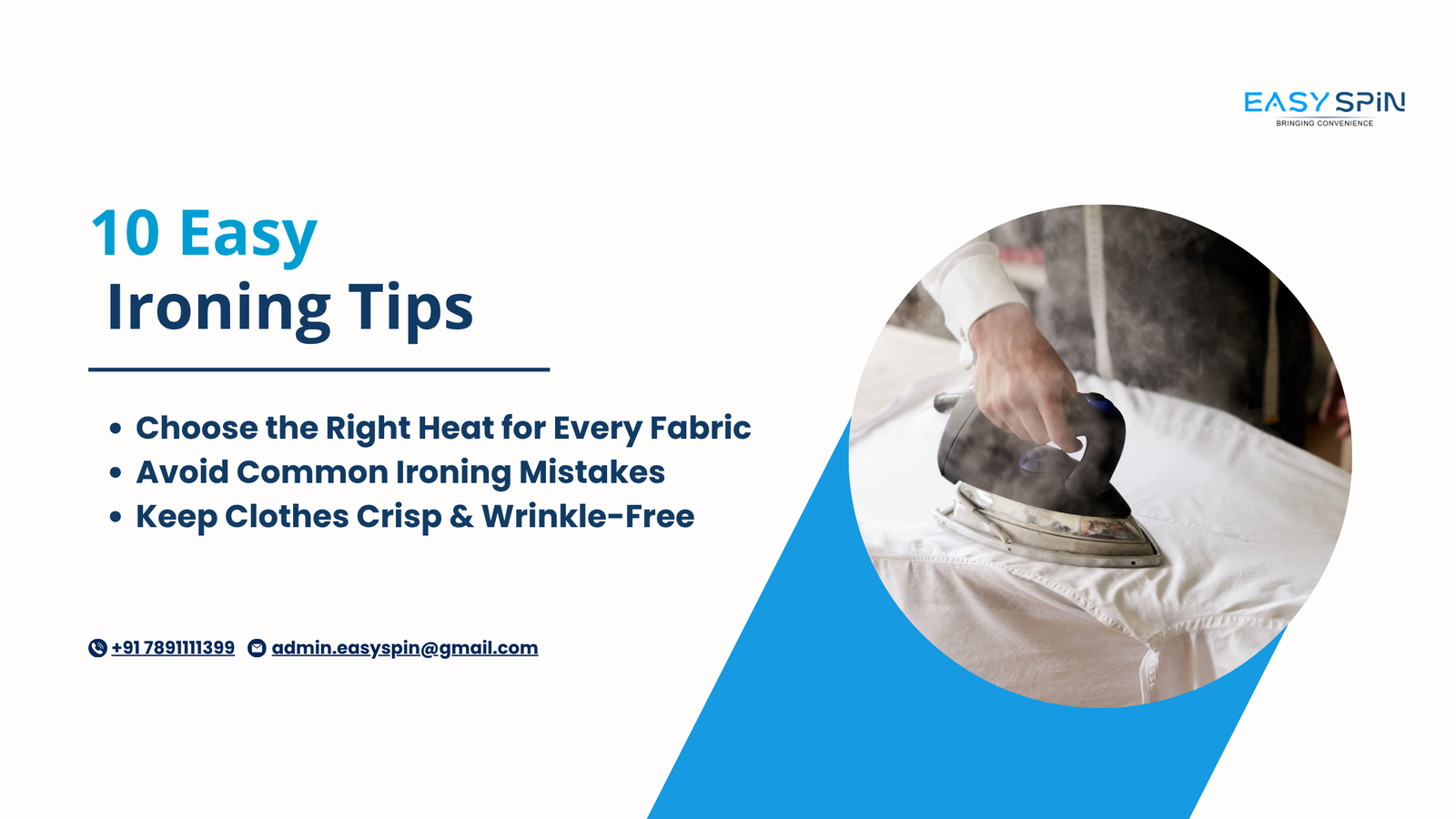
10 Practical Ironing Tips for Better Results
Good ironing is not about working harder. It is about following the right process. A few simple habits can improve your results and reduce the risk of damaging your clothes. The following ironing tips are easy to follow at home. They work for everyday clothing and help you get cleaner, sharper results with less effort.
Here are the best ironing techniques to help you iron clothes properly, avoid common mistakes, and keep your garments looking their best.
1. Check the Fabric Label Before You Start
Before you plug in the iron, take a moment to read the garment’s care label. Different fabrics react differently to heat, and using the wrong temperature can leave permanent marks or even ruin the material. Cotton and linen usually tolerate higher temperatures, while silk, rayon, and synthetic fabrics require much gentler heat. Following this simple step is one of the best ironing techniques to protect your clothes and achieve better ironing results.
A few things to keep in mind:
- Match the iron’s temperature with the fabric type.
- Start with a lower heat setting if you’re unsure.
- Test delicate garments on an inside seam first.
- Follow any special ironing instructions mentioned on the care label.
2. Sort Clothes by Heat Setting
Sorting your clothes before ironing may seem like an extra step, but it actually saves time. Begin with garments that need a low temperature, such as polyester or silk, and gradually move to fabrics like cotton and linen that require more heat. This way, you don’t have to wait for the iron to cool down between garments, making the entire process quicker and more efficient. It also reduces the risk of accidentally placing a delicate fabric under a hot iron.
3. Iron Slightly Damp Clothes for Better Results
Slightly damp clothes are much easier to iron because moisture helps loosen the fabric fibers. As a result, wrinkles disappear with less effort, and you don’t need to keep going over the same area. If your clothes have already dried completely, use your iron’s steam function or lightly mist the fabric with clean water before ironing. This small step not only speeds up the process but also gives your clothes a smoother, more polished finish.
4. Use Long, Straight Strokes — Not Circles
Many people move the iron in circular motions without realizing it can stretch the fabric, especially around seams and delicate areas. Instead, glide the iron in long, straight strokes while applying gentle, even pressure. This creates a cleaner finish and helps the garment keep its original shape.
For better results:
- Move the iron in one direction whenever possible.
- Avoid pressing too hard on the fabric.
- Pay extra attention to collars, cuffs, and button plackets.
5. Iron Inside-Out for Delicate Fabrics
Delicate fabrics deserve extra care during ironing. Turning garments inside out before pressing helps protect the visible surface from direct heat. This is especially useful for dark-colored clothing, embroidered garments, printed T-shirts, and fabrics with decorative details. Among the most effective ironing tips is ironing garments from the inside, as it reduces the chances of shiny patches forming on the outer surface and helps keep your clothes looking newer for longer.
6. Use the Full Length of Your Ironing Board
An ironing board is designed to support the entire garment, not just small sections. Spreading the clothing across the board allows wrinkles to be removed more evenly and prevents new creases from forming while you work. One of the most practical ironing tips is to reposition the garment as needed and use the board’s full surface instead of repeatedly ironing one small area. This makes ironing faster, improves efficiency, and gives your clothes a smoother, more professional finish.
7. Clean Your Iron Regularly
Even the best ironing techniques won’t help if the soleplate of your iron is dirty. Over time, burnt fabric residue, starch, and mineral deposits can stick to the surface. These marks can transfer onto freshly washed clothes and reduce the iron’s performance. Cleaning your iron regularly keeps it gliding smoothly and protects your garments from unwanted stains.
A simple cleaning routine includes:
- Wipe the soleplate after it has cooled down.
- Remove mineral deposits according to the manufacturer’s instructions.
- Empty the water tank if the iron will not be used for several days.
- Check the steam holes for any buildup.
8. Use Distilled Water to Prevent Mineral Buildup
If your steam iron is used frequently, the type of water you pour into it matters. Hard tap water contains minerals that slowly build up inside the iron, blocking steam vents and reducing performance. Using distilled water helps prevent this buildup, allowing the iron to produce steady steam and work more efficiently. It is a simple change that can also extend the life of your appliance.
9. Start With Low-Heat Items First
Starting with delicate garments before increasing the temperature is one of the easiest ways to make ironing more efficient. Since irons heat up faster than they cool down, working from low heat to high heat saves waiting time. It also lowers the chance of accidentally placing a delicate garment under an iron that is already too hot. Following this order creates a smoother workflow and protects different types of fabrics throughout the session.
10. Let Clothes Cool Before Folding or Hanging
Freshly ironed clothes may look perfectly pressed, but the fabric fibres are still warm and flexible. Folding or hanging them immediately can create fresh wrinkles that undo your hard work. One of the simplest yet most effective ironing tips is to let each garment cool on the ironing board or a flat surface for a few minutes before putting it away. This allows the fibres to settle into their new shape, helping your clothes stay crisp, smooth, and wrinkle-free for much longer.
A Better Way to Remember These Ironing Tips
| Ironing Tips | Why It Matters | Quick Takeaway |
| Check the fabric label | Prevents burns, shrinkage, and fabric damage. | Always match the heat setting to the fabric type. |
| Sort clothes by heat setting | Saves time and protects delicate garments. | Iron from low heat to high heat. |
| Iron slightly damp clothes | Removes wrinkles faster with less effort. | Use steam or lightly spray dry clothes. |
| Use long, straight strokes | Prevents stretching and gives a smoother finish. | Let the iron glide instead of moving it in circles. |
| Iron delicate fabrics inside out | Protects colours, prints, and delicate surfaces. | Turn garments inside out before ironing. |
| Use the full ironing board | Creates even results and reduces new wrinkles. | Spread the garment flat while ironing. |
| Clean your iron regularly | Prevents stains and improves performance. | Remove residue and mineral buildup often. |
| Use distilled water | Keeps steam vents clear and extends the iron’s life. | Avoid hard tap water when possible. |
| Start with low-heat items | Makes ironing more efficient and prevents accidents. | Increase the temperature gradually as you work. |
| Let clothes cool before folding | Helps clothes stay crisp and wrinkle-free longer. | Wait a few minutes before hanging or folding garments. |
When Ironing at Home Isn’t Worth the Hassle
Ironing every garment at home can be time-consuming, especially when you’re balancing work, family, and other daily responsibilities. Delicate fabrics and formal wear also require extra care that can be difficult to achieve with regular home ironing.
Easy Spin makes garment care effortless. Simply schedule a doorstep pickup through the app, and your clothes will be professionally cleaned, expertly steam ironed, and delivered back to your doorstep ready to wear. You save valuable time while your garments receive the professional care they deserve.
Good Ironing Habits Make All the Difference
Proper ironing is all about following the right techniques, not spending more time. From checking the fabric label and choosing the correct heat setting to keeping your iron clean and letting clothes cool before folding, these simple habits can make a noticeable difference.
By applying these ironing tips consistently, you can remove wrinkles more easily, protect delicate fabrics, and keep your clothes looking neat, fresh, and well-maintained for longer.
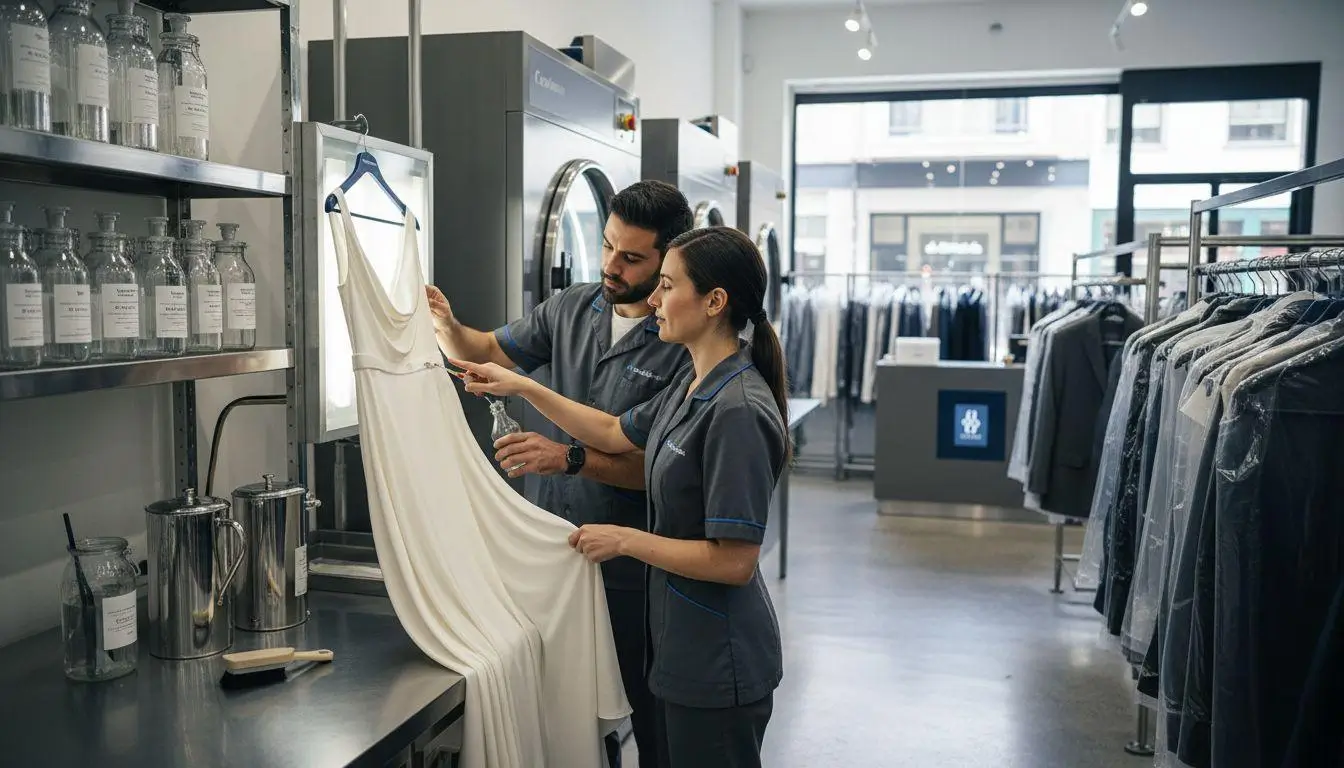
Clean clothes create a positive impression, but keeping garments in excellent condition requires more than regular washing. Delicate fabrics, formal wear, and premium outfits can lose their texture, colour, and shape when cleaned incorrectly. Choosing the right cleaning method helps protect your clothing and extends its lifespan.
The Hidden Problems with Regular Washing
Many people wash every garment in the same way without considering the fabric type. This can lead to fading colours, shrinking, loose stitching, stubborn stains, and worn-out fibres. Over time, favourite clothes may no longer look as good as they once did.
Professional garment care uses fabric-appropriate cleaning techniques that help preserve the quality of each item while effectively removing dirt, stains, and odours.
Clothing That Deserves Extra Attention
Some garments require specialised care because of their material or design. These include:
- Business suits and blazers
- Silk sarees and dresses
- Woollen jackets and coats
- Designer outfits
- Embroidered garments
- Delicate fabrics with decorative work
Proper cleaning helps maintain the original appearance of these garments and reduces the risk of damage.
Benefits of Choosing Professional Cleaning
Professional garment care offers several long-term advantages.
- Better stain removal without damaging fabric.
- Protection against color fading.
- Longer life for expensive garments.
- Professional finishing for a neat appearance.
- Fresh, hygienic clothing with reduced fabric wear.
These benefits make it easier to maintain a wardrobe that looks clean and presentable throughout the year.
Conclusion
Following the right ironing tips and proper garment care practices helps extend the life of your clothes, maintain their appearance, and reduce the need for frequent replacements. While everyday garments can often be cared for at home, delicate fabrics, formal wear, and premium clothing benefit from professional cleaning and pressing. Choosing a reliable doorstep garment care service ensures your clothes receive expert handling, helping them stay clean, crisp, and ready to wear while saving you valuable time.
FAQ’s
1. What is the correct temperature for ironing different fabrics?
One of the most important ironing tips is to always follow the garment’s care label before ironing. Cotton and linen can handle higher temperatures, while silk, rayon, wool, and synthetic fabrics require lower heat to prevent burning, shrinking, or shine marks. Choosing the correct temperature helps protect your clothes and ensures better ironing results.
2. Why should clothes be slightly damp before ironing?
Slightly damp clothes allow wrinkles to relax more easily, reducing ironing time and helping you achieve a smoother finish with less effort. You can also use a steam iron or lightly spray water on dry clothes.
3. How can I prevent shiny marks while ironing clothes?
Iron dark or delicate garments inside out, use the recommended heat setting, and avoid leaving the iron in one place for too long. A pressing cloth can also help protect sensitive fabrics.
4. Is it better to iron clothes immediately after washing?
Yes. Clothes that are slightly damp after washing are easier to iron because moisture helps remove wrinkles quickly. If the clothes are completely dry, use steam or a water spray before ironing.
5. How often should I clean my steam iron?
Clean your steam iron every few weeks if you use it regularly. Removing mineral deposits and burnt residue keeps the soleplate smooth and prevents stains from transferring to your clothes.
6. Can ironing damage clothes?
Yes, using excessive heat or ironing the wrong fabric setting can weaken fibres, fade colours, and permanently damage delicate garments. Following the best ironing techniques helps extend the life of your clothes.
7. What are the benefits of using a steam iron?
A steam iron softens fabric fibres, removes wrinkles faster, and requires less effort than dry ironing. It is especially effective for cotton, linen, and heavier fabrics.
8. When should I choose a professional ironing service?
Professional ironing services are ideal for business wear, uniforms, formal outfits, delicate fabrics, and large family laundry loads. They save time while delivering a crisp, professional finish.
9. Does professional ironing help clothes last longer?
Yes. Professional garment care uses proper temperature control and pressing techniques, reducing fabric damage and helping expensive clothing maintain its appearance for longer.
10. How can doorstep ironing services save time?
Doorstep ironing services collect your clothes from your home, professionally press them, and deliver them back ready to wear. This eliminates travel time and makes garment care much more convenient.