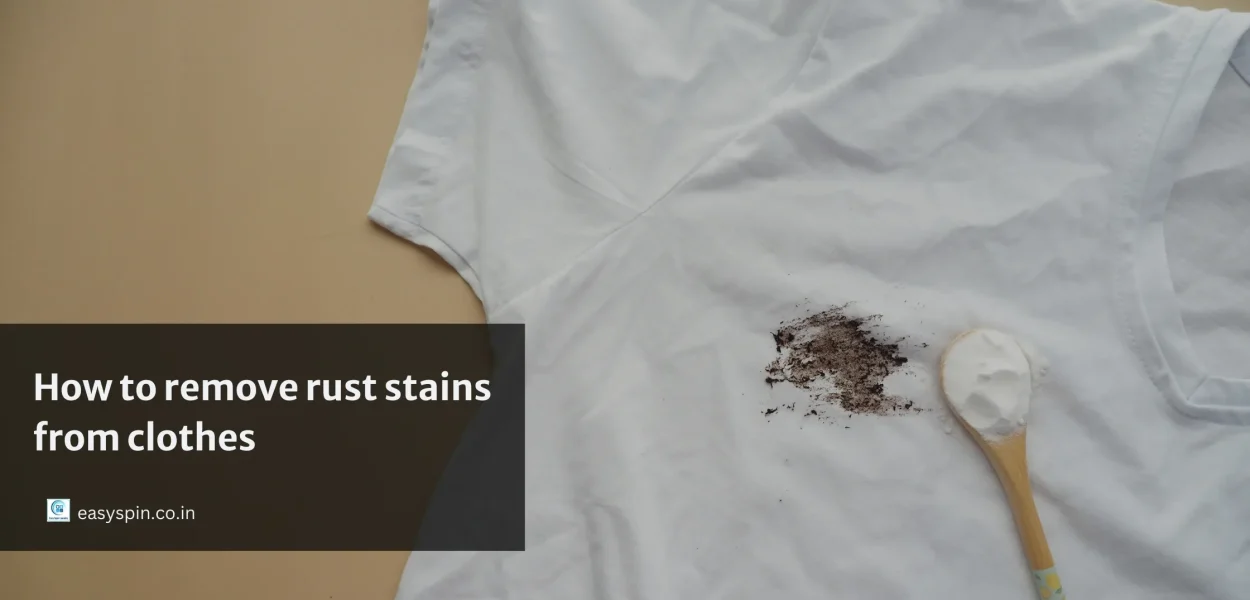
Rust stains on clothes can be frustrating, especially when they appear on your favorite shirt, jeans, towels, or delicate fabrics. Unlike regular stains, rust stains are stubborn and often become darker if treated incorrectly. Many people throw away stained clothes because they think the damage is permanent, but the good news is that rust marks can often be removed with the right methods and a little patience.
In this detailed guide, you’ll learn how to remove rust stains from clothes, what causes them, which fabrics are harder to clean, and when professional cleaning may be the better option. We’ll also cover simple home remedies and safe cleaning techniques that help protect your garments while removing rust effectively.
Can Rust Stains Be Removed From Fabric?
Yes, rust stains can usually be removed from fabric if treated properly and quickly. Fresh rust stains are easier to clean than old, deeply settled marks. The success of stain removal depends on several factors:
Fabric type
How old the stain is
Severity of the rust mark
Cleaning method used
One important thing to remember is that regular bleach should never be used on rust stains. Bleach can react with rust and make the stain darker and more permanent.
Instead, it’s safer to use mild acidic solutions such as lemon juice or white vinegar because they help break down rust particles naturally.
If you are wondering how to get rust stains out of clothes, starting treatment as soon as possible usually gives the best results.
What Causes Rust Stains on Clothes?
Before learning stain removal methods, it helps to understand where rust stains come from. Rust stains usually appear when clothes come into contact with metal objects containing iron and moisture.
Common causes include:
Rusty washing machine drums
Metal hangers
Old pipes carrying rusty water
Wet metal furniture
Coins or keys left inside pockets
Rusted zippers or buttons
Iron-rich water supply
Even a small rusty object can leave noticeable marks on clothing if moisture is present.
Outdoor drying can also sometimes expose clothes to rust from metal railings or fences. Identifying the source helps prevent future stains from happening again.
Method 1: Lemon Juice and Salt
One of the most popular and natural methods for removing rust stains is using lemon juice and salt. This method works well because lemon juice contains citric acid, which helps dissolve rust particles safely.
Steps to Follow
1. Place the Clothing Flat
Lay the stained clothing on a clean towel or flat surface.
2. Apply Lemon Juice
Pour fresh lemon juice directly onto the rust stain. Make sure the entire stain is covered.
3. Add Salt
Sprinkle a generous amount of salt over the lemon juice. Salt helps lift the stain while the acid breaks down the rust.
4. Let It Sit
Allow the mixture to sit for around 20–30 minutes. For stronger stains, you can leave it slightly longer.
5. Dry Under Sunlight
Placing the garment in sunlight can improve the cleaning process naturally.
6. Rinse and Wash
Rinse thoroughly with cold water and wash normally afterward.
This method is especially useful for cotton and light-colored fabrics.
If you are searching for how to get rid of rust on clothing naturally, this is often one of the safest home remedies to try first.
Method 2: White Vinegar Soak
White vinegar is another effective solution for rust stain removal because its acidic nature helps loosen rust particles from fibers.
How to Use White Vinegar
1. Fill a Bowl With Vinegar
Pour enough white vinegar into a bowl to soak the stained area.
2. Soak the Fabric
Dip the stained portion into the vinegar and leave it for around 30 minutes.
3. Gently Rub the Area
After soaking, gently rub the stain using a soft cloth or sponge.
4. Rinse Properly
Rinse the fabric with cold water.
5. Wash Normally
Wash the clothing using mild detergent.
For stronger stains, you can repeat the process again before drying.
One important tip is to avoid machine drying until the stain is completely gone. Heat can permanently set rust stains into fabric fibers.
This method works well for everyday garments and household fabrics like towels and bedsheets.
Method 3: Commercial Rust Remover
Sometimes home remedies may not fully remove old or deep rust stains. In such situations, commercial rust removers designed for fabrics can help.
These products contain stronger cleaning agents specifically made for rust stain treatment.
How to Use Commercial Rust Removers Safely
Read Instructions Carefully
Every product has different instructions, so always follow the label properly.
Test on a Small Area
Before applying fully, test the product on a hidden fabric section to check for discoloration.
Apply Carefully
Use only the recommended quantity directly on the stain.
Rinse Thoroughly
After treatment, rinse properly to remove all chemical residue.
Wash the Garment
Wash using mild detergent afterward.
Commercial products are often more effective on old rust stains, but delicate fabrics should still be handled carefully.
If home remedies fail and you still want to remove rust marks from clothes, a fabric-safe commercial remover may be the next option.
Which Fabrics Are Hardest to Treat?
Some fabrics respond well to rust removal, while others are much more sensitive.
Delicate Fabrics
Silk, satin, lace, and chiffon can be damaged easily by acidic treatments and harsh rubbing.
Wool
Wool absorbs moisture deeply and may shrink if handled incorrectly.
Synthetic Blends
Certain synthetic fabrics may react poorly to strong stain removers.
Colored Fabrics
Bright or dark-colored garments sometimes fade during stain treatment.
For delicate or expensive garments, it is always safer to avoid aggressive cleaning methods.
Testing any stain removal solution on a hidden area first helps reduce the risk of damage.
Common Mistakes People Make While Treating Rust Stains
Many people accidentally worsen rust stains because they use incorrect cleaning techniques.
Using Bleach
Bleach reacts chemically with rust and often darkens the stain permanently.
Using Hot Water Immediately
Hot water can make the stain settle deeper into fibers.
Drying Before Checking
Machine drying before confirming stain removal may lock the stain permanently.
Scrubbing Too Hard
Aggressive scrubbing weakens fabric fibers and spreads the stain further.
Ignoring the Stain for Too Long
Older stains become more difficult to remove because rust particles settle deeper into the fabric.
Avoiding these mistakes improves the chances of successful stain removal.
Preventing Rust Stains on Clothes
Prevention is always easier than treatment. A few simple habits can help protect clothes from future rust stains.
Check Washing Machines Regularly
Inspect the drum for rust spots or damaged metal areas.
Empty Pockets Before Washing
Coins, keys, and metal objects may create rust marks.
Avoid Rusty Hangers
Use plastic or coated hangers instead of old metal ones.
Keep Clothes Away From Wet Metal Surfaces
Avoid placing damp clothes on rusty rails or furniture.
Maintain Water Pipes
Rusty water supply pipes can sometimes transfer iron particles to clothes.
Small preventive measures can save both time and expensive garments.
When to Take Rust-Stained Clothes to a Professional
Some rust stains are difficult to remove at home, especially when:
- The stain is very old
- The garment is expensive
- The fabric is delicate
- Home methods have failed
- The stain covers a large area
Professional Dry Cleaners use advanced stain removal methods and fabric-safe treatments that are often more effective than household remedies.
Dry cleaning professionals understand how different fabrics react to cleaning solutions, reducing the risk of permanent damage.
For valuable garments like wedding dresses, formal suits, silk outfits, or designer wear, professional help is usually the safest option.
FAQ
Can rust stains become permanent?
Yes, rust stains can become permanent if left untreated for too long or exposed to heat during drying.
Is lemon juice safe for all fabrics?
No. Lemon juice works well for many fabrics but may damage delicate materials like silk or satin.
Can baking soda remove rust stains?
Baking soda alone is usually less effective on rust stains compared to acidic solutions like lemon juice or vinegar.
Why should bleach not be used on rust stains?
Bleach reacts with rust chemically and often makes the stain darker and harder to remove.
Can professional cleaners remove old rust stains?
Yes, professional cleaning services can often remove deep or old rust stains using advanced fabric-safe techniques.
How fast should rust stains be treated?
As quickly as possible. Fresh rust stains are much easier to remove than older stains.
Final Thoughts
Rust stains may look difficult to remove, but with the right cleaning methods, many garments can be saved successfully. Natural remedies like lemon juice and white vinegar often work well for fresh stains, while commercial rust removers can help with tougher marks.
Understanding fabric type and avoiding common cleaning mistakes are equally important during stain treatment. Quick action always improves the chances of complete stain removal.
Whether you are trying to learn how to remove rust stains from clothes, how to get rust stains out of clothes, or the safest ways to remove rust marks from clothes, using gentle and fabric-safe methods is the key to protecting your garments while restoring their clean appearance.